Shipping a vehicle internationally is a major decision, especially when transporting it over thousands of miles by sea. If you are planning Car shipping from UK to Tanzania, one important question to consider is whether insurance is necessary. Your vehicle may be exposed to risks during collection, loading, ocean transportation, unloading, customs clearance, and final delivery. Understanding your insurance options before shipping can help you protect your investment and avoid unexpected expenses.
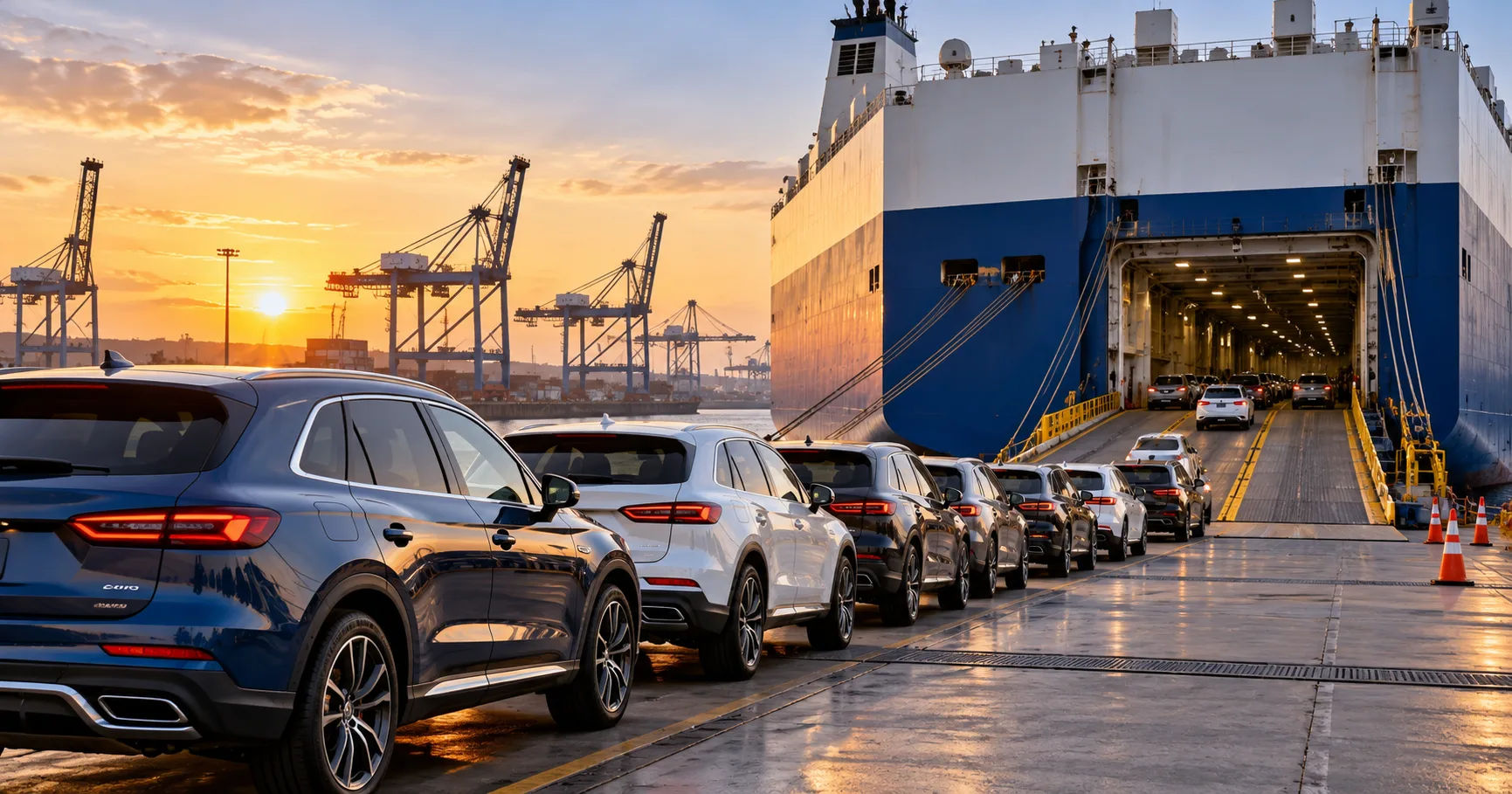
Although insurance requirements can vary depending on the shipping company, transport method, and applicable regulations, arranging suitable coverage is generally a wise decision. Standard shipping services do not always include comprehensive protection against damage or loss. Knowing what is covered, what is excluded, and how to choose a suitable policy can make the entire process more manageable.
This comprehensive guide explains whether car shipping insurance is required, how marine insurance works, what risks it can cover, and how to choose the right protection when transporting a vehicle from the United Kingdom to Tanzania.
Is Insurance Necessary When Shipping a Car to Tanzania?
Insurance is not necessarily a universal legal requirement for every private vehicle shipment between the UK and Tanzania. However, the shipping company, transport contract, financing agreement, or specific circumstances may impose additional requirements.
Even when insurance is optional, it is worth considering because international vehicle transportation involves several stages where unexpected problems can occur.
For example, a vehicle may sustain scratches during loading, experience damage while being moved inside a port, or be affected by an incident during the sea journey. Severe weather, handling accidents, and other unexpected events can also create financial losses.
Without appropriate insurance, you might have to pay for repairs or replacement yourself.
Legal Requirements Versus Financial Protection
It is important to distinguish between insurance required by law and insurance purchased to protect your property.
A shipping company may require particular documentation or insurance arrangements under its contract. However, this does not automatically mean that the company provides comprehensive insurance for your vehicle.
Similarly, insurance that applies to driving a vehicle in Tanzania is different from marine cargo insurance. Motor insurance for road use generally does not automatically cover international sea transportation.
Before booking your shipment, ask your shipping provider whether insurance is compulsory under its terms and whether the quoted price includes any meaningful cargo protection.
If the vehicle is financed, leased, or owned by a business, check the relevant agreement for additional requirements.
What Is Car Shipping Insurance?
Car shipping insurance is coverage designed to protect a vehicle against specified losses or damage while it is being transported. For international shipments, this often involves marine cargo insurance.
Marine cargo insurance can protect the vehicle during an ocean journey, depending on the policy wording. Some policies may also cover certain inland transportation stages, while others apply only to a defined part of the journey.
When arranging Car shipping from UK to Tanzania, do not assume that every policy offers the same protection. The coverage depends on the insurer, the type of policy, the declared vehicle value, and any exclusions.
Marine Cargo Insurance
Marine cargo insurance is commonly used when vehicles travel between countries by sea. It may provide protection against covered events such as vessel accidents, fire, theft, or physical damage during transportation.
The exact coverage depends on the terms and conditions. A policy offering broad coverage may protect against a wider range of accidental losses than one covering only specifically listed risks.
Some policies exclude cosmetic damage, mechanical failure, inadequate preparation, or certain types of theft. Others may impose conditions concerning vehicle condition, loading procedures, or approved transport providers.
Always request a copy of the policy wording rather than relying solely on a verbal assurance from a shipping agent.
Carrier Liability and Comprehensive Cargo Coverage
Shipping companies may have contractual responsibility for certain losses caused during transportation. However, carrier liability is not necessarily equivalent to comprehensive insurance.
The carrier's responsibility may be limited by the shipping contract, applicable laws, and international transport conventions. Some claims may require proof that the carrier was responsible for the damage.
By contrast, a separate cargo insurance policy may offer protection according to its own coverage terms.
Ask the shipping company to explain the difference between its liability and any insurance offered with the booking.
What Risks Can Car Shipping Insurance Cover?
The protection available depends on the selected policy, but several risks are particularly important when transporting a vehicle internationally.
Damage During Loading and Unloading
Vehicles must be moved between collection points, storage areas, transport equipment, and the vessel. During these operations, accidental scratches, dents, and other damage can occur.
The policy should clearly state whether loading and unloading are covered. Some policies include these activities, while others may apply only after the vehicle has been loaded or formally accepted for shipment.
Documenting the vehicle's condition before collection is essential for identifying damage that occurs later.
Damage During Sea Transportation
Ocean transportation exposes vehicles to risks associated with vessel operations and maritime incidents.
Depending on the policy, coverage may include physical damage resulting from a covered accident, fire, or other insured event. More extensive policies may provide broader protection, subject to exclusions and conditions.
However, ordinary movement of the vessel, minor cosmetic damage, and damage caused by inadequate preparation may not always qualify for compensation.
Theft or Total Loss
Vehicle theft is another concern, particularly when a shipment passes through several facilities.
A covered theft or total loss may qualify for compensation under the policy. Nevertheless, the insurer may require evidence of ownership, vehicle value, shipment details, and the circumstances of the loss.
Confirm whether the policy protects against theft during port storage and inland transportation, rather than assuming protection applies everywhere.
Damage During Inland Transportation
The journey may begin with collection from a home, dealership, or warehouse in the UK. After arriving in Tanzania, the vehicle may need transportation from the port to another destination.
These additional journeys create risks that may not fall within the ocean insurance period.
If you are using a door-to-door service, confirm whether the insurance covers the entire route. For port-to-port shipments, check who is responsible for the vehicle before loading and after unloading.
What Types of Car Shipping Insurance Are Available?
Choosing suitable insurance begins with understanding the available options.
All-Risks Marine Cargo Insurance
A policy described as all-risks generally offers broader protection against accidental physical loss or damage than a policy covering only named events.
However, the term does not mean every possible loss is covered. Common exclusions may include wear and tear, mechanical breakdown, inadequate packaging or preparation, deliberate damage, and other specifically excluded circumstances.
Read the exclusions carefully and ask the insurer to explain any conditions that could affect your vehicle.
Named-Perils Insurance
Named-perils insurance covers only the risks specifically listed in the policy.
Depending on the wording, these might include fire, vessel collision, sinking, or certain other accidents. An event not included in the list may not be covered.
This type of policy can be suitable for some shipments, but you should compare its limitations with the value and condition of your vehicle.
Third-Party or Carrier Liability Protection
Some transport providers offer limited liability protection under their service agreements. This may cover certain losses for which the carrier is legally responsible.
However, it may not cover every accidental loss, and compensation may be restricted by contractual limits.
Do not treat a carrier's liability statement as proof that your vehicle is fully insured. Request details about the maximum compensation, claim procedure, and applicable exclusions.
How Much Does Car Shipping Insurance Cost?
The cost of insurance depends on several factors, so there is no single price that applies to every shipment.
Insurers may consider the vehicle's value, age, condition, shipping method, route, coverage period, and chosen policy limits.
Factors That Affect the Premium
Vehicle value: Expensive vehicles generally require a higher insured amount, which may increase the premium.
Vehicle condition: Existing damage or mechanical problems can affect eligibility and the terms offered.
Shipping method: Roll-on/roll-off shipping and container shipping involve different handling arrangements. Insurance costs depend on the specific risks and policy terms rather than the method alone.
Coverage level: Broader protection typically costs more than coverage limited to selected events.
Deductible or excess: A higher excess may reduce the premium but increases the amount you must pay toward an eligible claim.
Route and storage: Additional inland transport, port storage, and other handling stages may affect the coverage required and the premium.
How to Compare Insurance Quotes
When comparing quotes for Car shipping from UK to Tanzania, look beyond the headline price.
Ask each provider to confirm the insured value, covered transport stages, deductible, exclusions, and maximum claim amount.
Check whether the policy covers the vehicle's agreed value or another valuation method. Also confirm whether freight charges, customs-related expenses, or recovery costs are covered, if these are relevant to your circumstances.
A cheaper policy may provide limited protection, while a more expensive policy may offer broader coverage. The right choice depends on the vehicle's value, your budget, and your tolerance for financial risk.
How to Choose the Right Insurance Policy
Selecting appropriate coverage requires more than choosing the first policy offered by a shipping agent.
Calculate the Vehicle's Value
Start by determining a realistic value for your vehicle. Consider its age, mileage, model, condition, and current market price.
Keep supporting evidence, such as purchase invoices, valuation reports, and photographs. Accurate documentation can help establish the vehicle's value if you need to make a claim.
Do not deliberately undervalue the vehicle to obtain a lower premium. An incorrect declared value can create problems during claim settlement.
Confirm the Coverage Period
A complete shipment may involve collection, temporary storage, port handling, ocean transportation, customs procedures, and final delivery.
Ask when the insurance begins and ends. Determine whether it covers storage delays and whether protection continues after the vehicle reaches Tanzania.
If the policy ends when the ship arrives, you may need additional protection for unloading and inland delivery.
Review Exclusions and Deductibles
Exclusions determine which situations are not covered. Deductibles determine how much you must contribute toward an eligible claim.
For example, if an insured repair costs £1,000 and the applicable excess is £200, the insurer might pay £800, assuming the entire repair is covered and no other limits apply.
Actual settlement depends on the policy terms and the insurer's assessment.
Check the Insurer's Reliability
Verify the insurer's identity, regulatory status where applicable, and claims procedure. If a shipping agent arranges insurance, ask for the actual insurer's name and policy documentation.
You should also know whom to contact if damage occurs at the destination port or after delivery.
Clear documentation and a straightforward claims process are valuable features of a suitable policy.
Documents Needed for Insurance and Shipping
Preparing the necessary documents early can reduce delays and make it easier to demonstrate ownership, value, and vehicle condition.
Commonly requested documents include:
-
Vehicle registration documents or other proof of ownership.
-
Purchase invoice or independent valuation.
-
Passport or identification documents, where required.
-
Shipping booking confirmation and transport instructions.
-
Bill of lading or other relevant shipping documents.
-
Insurance certificate and policy wording.
-
Photographs showing the vehicle's condition before shipment.
-
Inspection reports documenting existing damage.
Requirements vary by insurer, shipping provider, and import circumstances.
Tanzanian customs and vehicle-import procedures may also require separate documents. Insurance paperwork does not replace customs declarations, import approvals, taxes, or other applicable requirements.
Confirm the latest requirements with your shipping agent and the relevant Tanzanian authorities before dispatch.
What Should You Do Before Shipping Your Vehicle?
Careful preparation can reduce avoidable disputes and help protect your financial interests.
Inspect and Photograph the Vehicle
Take clear photographs of the exterior, interior, wheels, windscreen, and any existing damage. Record the mileage and note visible defects.
If possible, complete a written condition report with the shipping company before the vehicle is collected.
These records can help distinguish pre-existing damage from damage that occurs during transportation.
Remove Personal Belongings
Check the shipping company's rules concerning personal belongings. Many carriers restrict or prohibit personal items inside vehicles.
Personal belongings may not be covered by the vehicle's cargo insurance, and leaving them inside can complicate customs clearance or a claim.
Remove prohibited items and follow the carrier's instructions about fuel levels, keys, batteries, and vehicle preparation.
Confirm the Shipping Method
Two common options are roll-on/roll-off shipping and container shipping.
With roll-on/roll-off services, the vehicle is driven or moved onto a vessel designed to carry vehicles. Container shipping places the vehicle inside a shipping container, subject to loading and securing arrangements.
Neither method automatically guarantees better insurance protection. Compare the actual policy terms, handling arrangements, security measures, and total costs before making a decision.
Keep Copies of Every Agreement
Save your quotation, booking confirmation, inspection report, insurance certificate, and correspondence with the shipping company.
Written confirmation is especially important if an agent promises that insurance includes loading, unloading, storage, or final delivery.
If the shipment is delayed or the vehicle arrives damaged, these documents can help you understand your rights and support any claim.
What Happens If Your Car Arrives Damaged in Tanzania?
If your vehicle arrives with damage, act promptly and follow the insurer's instructions.
First, inspect the vehicle before signing an unconditional receipt or acknowledging that it arrived in satisfactory condition. If damage is visible, record it on the delivery or inspection documents where possible.
Take photographs from multiple angles and keep copies of the bill of lading, delivery records, and relevant correspondence.
Notify the shipping company and insurer as soon as possible. Policies often establish deadlines for reporting damage and submitting supporting documents.
Do not arrange substantial repairs without checking whether the insurer requires an inspection or prior approval. Keep repair estimates, invoices, and other evidence of the loss.
The insurer will assess the circumstances, review the evidence, and determine whether the damage falls within the policy's coverage.
If a claim is rejected, request a written explanation identifying the relevant policy terms. You can then consider the insurer's complaint procedure or seek appropriate professional advice.
Common Mistakes to Avoid When Arranging Insurance
Several mistakes can leave vehicle owners with less protection than they expect.
Assuming insurance is included: A shipping quotation may cover transportation without providing comprehensive cargo insurance. Always request written confirmation.
Choosing a policy based only on price: Low premiums may come with substantial exclusions, higher deductibles, or lower claim limits.
Declaring an incorrect vehicle value: An inaccurate valuation can affect the amount recoverable following a loss.
Ignoring port and inland transport risks: Insurance may cover the sea journey but exclude collection, storage, unloading, or delivery.
Failing to document existing damage: Without photographs and inspection records, it may be harder to prove when damage occurred.
Waiting too long to report a problem: Late notification may complicate a claim or breach policy conditions.
Avoiding these mistakes helps you make a more informed decision and reduces the risk of unexpected expenses.
Conclusion
So, does car shipping from the UK to Tanzania need insurance? Insurance is not necessarily a universal legal requirement for every shipment, but it is an important financial safeguard that vehicle owners should seriously consider. Specific contractual, financing, or regulatory requirements may also apply, so you should verify your circumstances before arranging transportation.
The right insurance policy can help protect against covered damage, theft, or total loss during international transportation. However, not every policy provides the same level of protection. Marine cargo insurance, carrier liability, and road motor insurance serve different purposes, and none should be assumed to cover every stage of the journey.
Before booking Car shipping from UK to Tanzania, compare policies carefully, establish an accurate vehicle value, review exclusions and deductibles, and confirm when coverage begins and ends. Make sure you understand whether loading, unloading, port storage, and inland delivery are included.
You should also prepare the necessary documents, photograph the vehicle, and keep written records of your agreements with the shipping company and insurer. These practical steps can make it easier to identify damage and support a claim if something goes wrong.
Ultimately, the best approach is to treat insurance as part of your overall shipping plan rather than an optional detail to consider at the last minute. By choosing suitable protection and confirming the terms before your vehicle leaves the UK, you can reduce financial uncertainty and make the process of transporting your car to Tanzania more secure and predictable.
About the Author
